
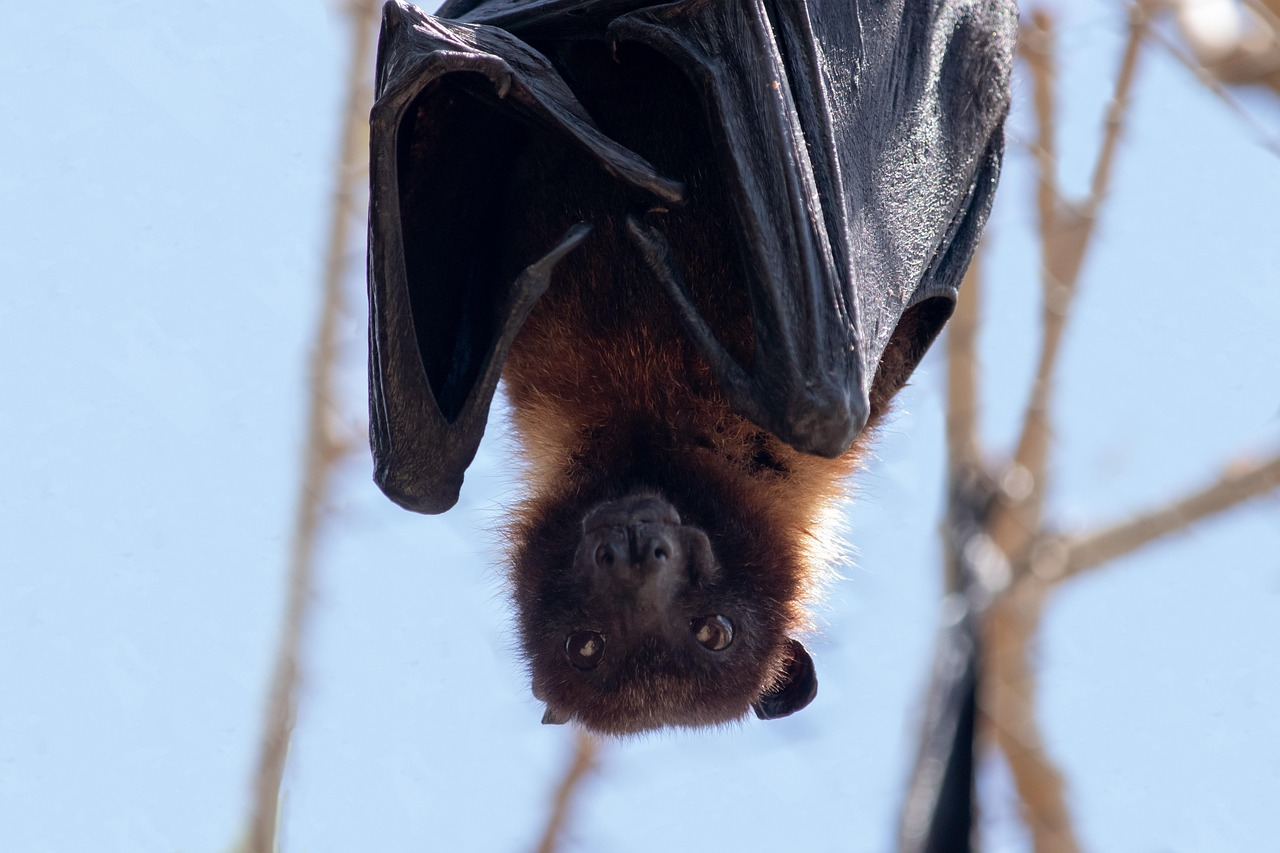
In May 2025, we had the pleasure of working with the Bat Conservation Trust (BCT) on a project funded by the Joint Nature Conservation Committee (JNCC). The focus was clear: how can organisations like BCT better engage under-represented audiences – particularly people from the Global Majority – in wildlife volunteering and bat surveys?
This is exactly the kind of project we set up Elenya to support. We’re a small, responsive research and consultancy firm based in the Peak District, and we specialise in helping organisations in the natural heritage, charity, education, and cultural sectors understand their audiences better. With nearly two decades of experience, Elliot leads the team at Elenya, and took a hands-on role in delivering this project from start to finish.
The Brief
BCT knew that wildlife volunteering in the UK doesn’t always reflect the full diversity of our population. They wanted to dig beneath the surface to explore why – and crucially, how things could change.
The brief was to conduct exploratory qualitative research, using focus groups to uncover honest perspectives from people who don’t typically take part in bat surveys or similar volunteering opportunities. This meant creating a safe, welcoming space where people felt comfortable sharing not just their ideas, but also their concerns and lived experiences.
Our Approach
From the outset, we worked closely with BCT to shape the approach. We supported recruitment and comms wording, making sure the language felt inclusive and inviting. We wrote a carefully considered topic guide that encouraged open conversation without ever forcing it – a balance that matters especially when working online.
Both groups were delivered in May 2025 via video call. While digital formats can sometimes feel like a compromise, they also offer accessibility benefits – and with the right facilitation, they can be just as rich as in-person discussions.
Elliot led both sessions, creating a calm and respectful environment where participants felt heard. Feedback from BCT reflected what we aim for in all our work: that sessions felt “sympathetic”, “comfortable”, and that participants were clearly encouraged to share their honest views.
What We Found
While we won’t share the detailed findings here – those belong to BCT – the themes were powerful. We uncovered a number of barriers that had often gone unspoken, including:
- A lack of visibility of people from similar backgrounds already participating
- Concerns about safety and belonging in unfamiliar outdoor spaces
- Uncertainty around the knowledge or qualifications “needed” to volunteer
- A feeling that many conservation volunteering opportunities aren’t designed with diverse audiences in mind
We also heard clear signals of interest. Participants cared deeply about nature and biodiversity – but wanted volunteering offers that felt more collaborative, more flexible, and more culturally relevant.
The Outcome
Following the focus groups, we produced a full research report for BCT that brought together the key insights, practical recommendations, and direct quotes from participants to help keep their voices at the heart of the response.
We also provided advice on how these findings could feed into future programme design, outreach communications, and internal learning. BCT have since used the insights to develop more inclusive strategies for their work, and to share learnings with their wider networks and funders.
What This Shows
This project reflects what we believe research should be: collaborative, ethical, and action-oriented. Listening to people properly – and responding with changes that matter – is how real progress happens.
If you’re a charity, trust, or cultural organisation looking to reach new audiences or explore barriers to engagement, we’d love to help.
Testimonial
“I worked with Elliot Simmonds in May 2025 to conduct a focus group research project. This Joint Nature Conservation Committee (JNCC) funded project looked at how best we [The Bat Conservation Trust, aka BCT] can engage under-represented audiences in wildlife volunteering and bat surveys. Elliot submitted a detailed project quote with a timeline to hand in the final report. His subject knowledge, organisation, and attention to detail were evident from the focus group topic guide he’d prepared. I attended the two focus groups we ran in May, and I was impressed by how sympathetically and comfortably he conducted the sessions with the participants. Considering the caveats of online sessions, Elliot excellently managed to get the most out of the meetings by understanding and encouraging participants to share their honest thoughts and perceptions on the topic. His experience and efforts in this field have been reflected throughout the report, which helped us to understand more about the motivations and barriers people from the Global Majority face in wildlife volunteering.
I look forward to working with Elliot in any future opportunity.” Dr. Parvathy Venugopal, National Bat Monitoring Programme Survey Officer