
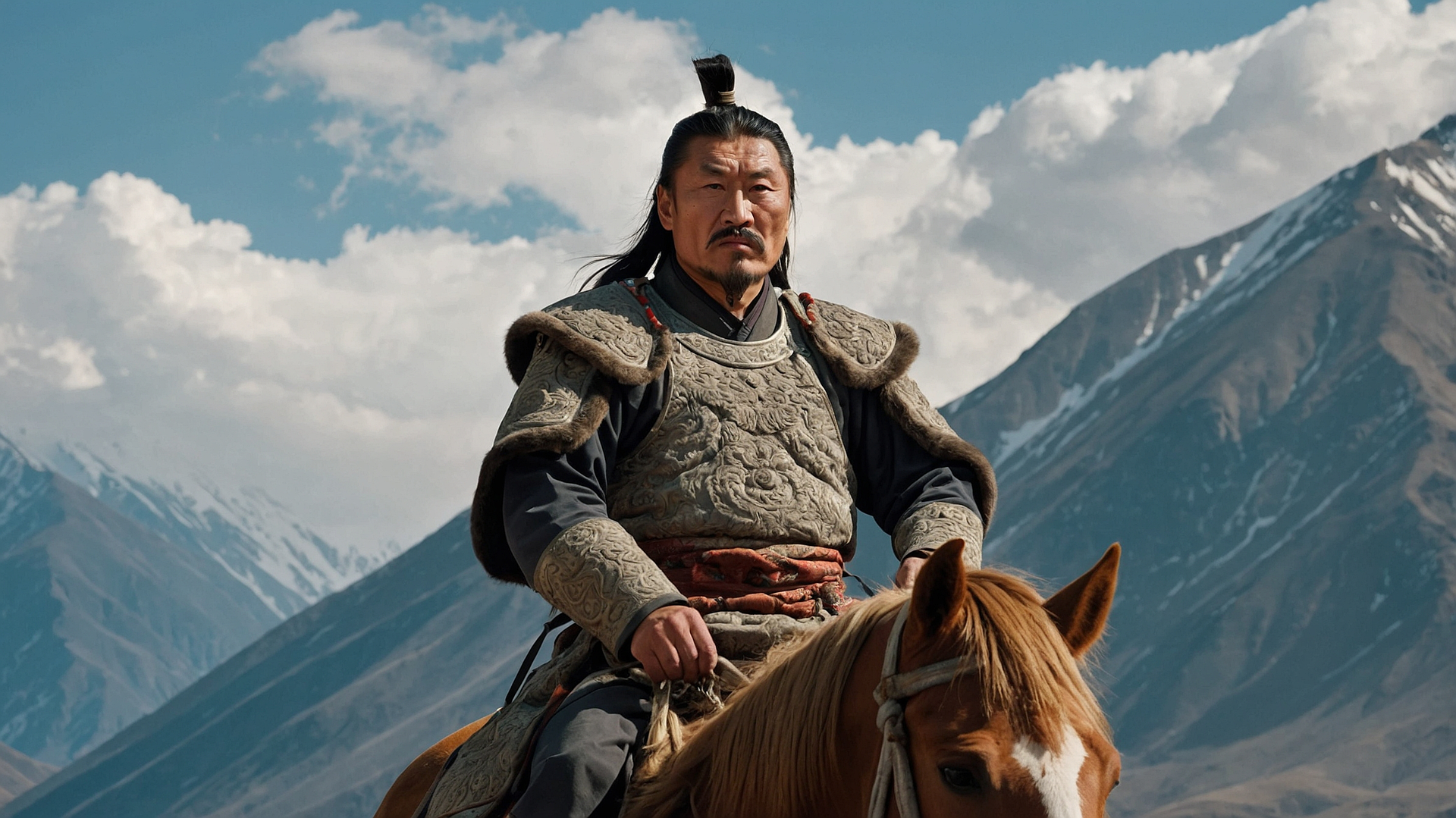
Elenya was commissioned by the Royal Armouries to undertake a qualitative research project to inform marketing and communications for a major upcoming exhibition exploring the life and legacy of Genghis Khan. At the point of research, the exhibition’s curatorial content and object selection had already been agreed. The focus of the project was therefore not on shaping the exhibition itself, but on identifying the messages, themes and stories most likely to resonate with target audiences.
The Royal Armouries needed to understand how different audiences interpreted the exhibition’s themes, which aspects stood out as most compelling, and what would motivate people to visit. The insight was intended to inform marketing strategy across multiple channels, ensuring communications reflected what audiences genuinely found interesting, relevant and distinctive.
This was a message testing project designed to provide clear, practical direction. The aim was to move beyond internal assumptions and ensure that marketing communications were grounded in audience perspectives.
Our Role
Elenya delivered the full research process from design through to reporting and presentation. This included:
- Designing a structured discussion guide focused on message testing and visit motivations
- Working closely with the Royal Armouries to ensure alignment with audience strategy and exhibition priorities
- Recruiting participants across four focus groups, each representing one of the Royal Armouries’ target audience segments
- Managing participant logistics, communications and incentive payments
- Moderating all focus groups and facilitating structured, in depth discussion
- Analysing qualitative findings across audience segments
- Producing a detailed PowerPoint report designed for practical use by internal teams
- Presenting findings to stakeholders across marketing, audiences and curatorial teams
Throughout the project, the emphasis was on generating clear, actionable insight that could be directly applied to marketing and communications planning.
Context and Aims
The exhibition represented a significant moment in the Royal Armouries’ future programme. As a major temporary exhibition, its success depended not only on the strength of its content, but on how effectively it could be communicated to potential visitors.
The research was designed to address several key questions:
- Which exhibition themes and narratives generate strongest interest among target audiences?
- Which specific elements feel distinctive, surprising or compelling?
- What motivates people to consider visiting an exhibition of this kind?
- What assumptions, misconceptions or uncertainties might influence decisions?
- How should the exhibition be framed and communicated to maximise appeal?
The aim was to identify clear messaging priorities that would support effective, audience led marketing.
Who We Spoke To
We conducted four in depth focus groups, each aligned with one of the Royal Armouries’ core audience segments. This ensured that findings reflected the needs and motivations of the audiences the exhibition was intended to reach.
Segmented qualitative research allowed us to explore differences in expectations, interests and perceptions between audience groups. It also helped identify which messages had broad appeal and which resonated more strongly with specific segments.
This structure ensured that recommendations could support both overall campaign positioning and more targeted communications.
What We Explored
Each focus group followed a structured but flexible format, lasting approximately 60 minutes. Sessions began by exploring participants’ existing perceptions of the Royal Armouries and their motivations for visiting museums and exhibitions more broadly.
We then introduced a range of exhibition messages, Genghis Khan ‘facts’, themes, imagery and narrative framings. Participants discussed their immediate reactions, what they found interesting or confusing, and which aspects stood out most clearly. Discussions explored not only stated preferences, but the underlying reasons behind them.
Participants were also invited to reflect on what would motivate them to visit, how they would expect the exhibition to feel, and how it compared with other cultural experiences they had encountered. This helped identify both emotional drivers and practical considerations influencing decision making.
Key Insights
While detailed findings remain confidential, several important patterns emerged across the research:
Clarity and focus strengthen appeal
Messages that highlighted clear human stories, stakes and consequences generated stronger engagement than those perceived as more abstract or informational.
Distinctiveness is a key driver of interest
Participants responded most strongly to elements they perceived as unique, surprising or not widely known. These moments offered valuable opportunities for marketing differentiation.
Emotional and narrative framing matters
Audiences were motivated by stories, personalities and lived experiences rather than purely historical description. Framing content through narrative helped make the exhibition feel more immediate and relevant.
Different segments respond to different entry points
While some themes had broad appeal, others resonated more strongly with specific audience segments. This created opportunities for tailored messaging within wider campaigns.
Influence and Outcomes
The final report provided clear, practical recommendations to guide marketing and communications. These included priority messages, suggested framing approaches, and guidance on which exhibition elements offered strongest promotional potential.We provided a messaging matrix for each of the audience segments, highlighting suggested tone, key content, and hero artefacts to use in imagery etc.
The findings gave the Royal Armouries confidence that their communications strategy reflected genuine audience motivations rather than internal assumptions. The insight also supported alignment across marketing, audience development and curatorial teams, ensuring a shared understanding of how the exhibition should be positioned.
The research played an important role in helping the Royal Armouries approach the exhibition launch with clarity and confidence.
Client testimonial
“Elliot provided both quality of insight and efficiency during a tight project timeline which has enabled us to move forward with our planning for key future exhibition plans with confidence. We are extremely happy with both the quality, level of insight and attention to detail that working with Elliot has afforded us.”